The Korean hair care method, explained from start to finish
What the Korean hair care method actually is: treating your scalp like skin, cleansing in steps and relying on fermented herbs. The full routine, step by step, with no inflated promises.
11 min read
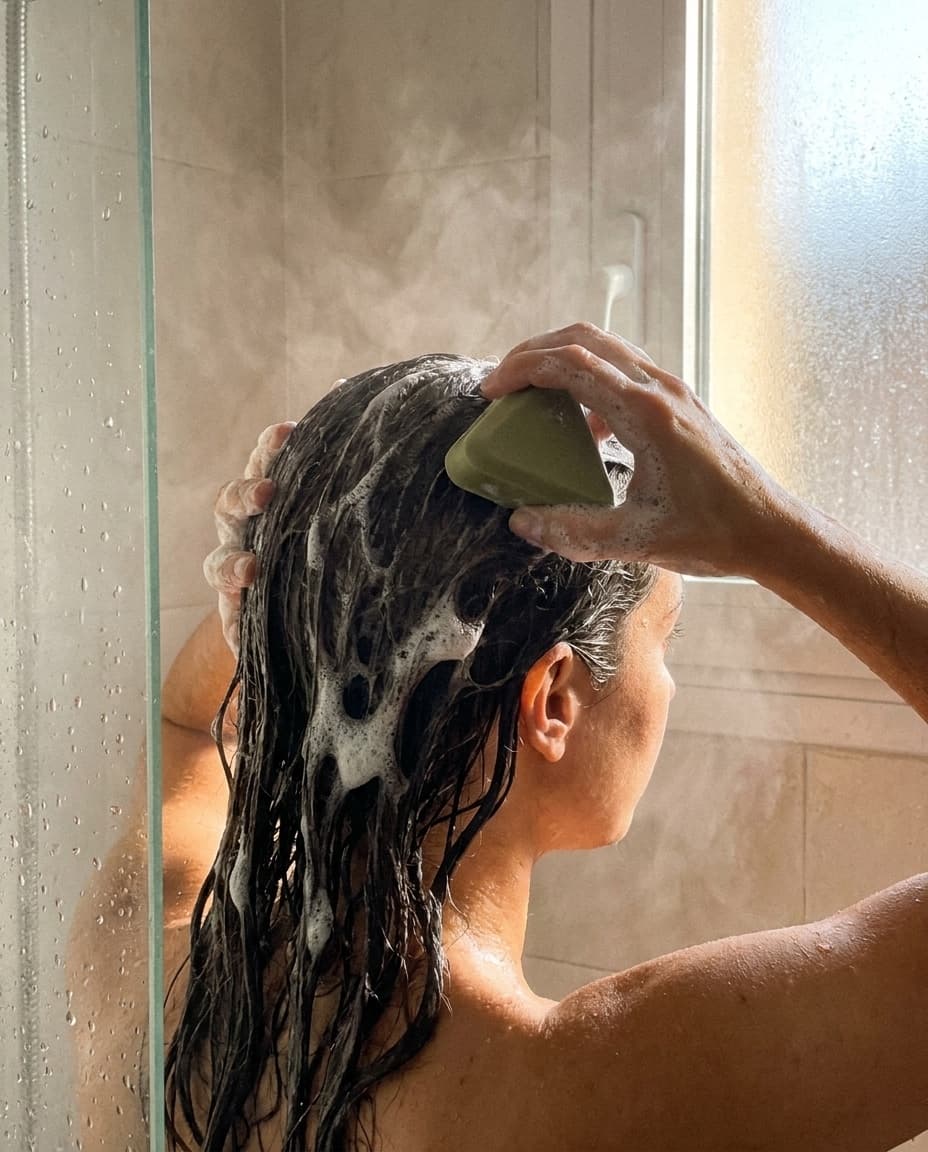
The Korean hair care method treats your scalp as what it actually is: skin. Instead of scrubbing your hair with one harsh wash, it cleanses the roots in gentle steps, makes massage part of the wash itself, and relies on fermented herbal extracts rather than strong detergents. The hair gets cared for second; the skin it grows from comes first.
This guide is the full map: where the method comes from, the steps of the routine, how to adapt it to your scalp type and what you can honestly expect from it. Each section links to the article that covers it in depth, so read it end to end or use it as an index.
What the Korean method actually is
In one sentence: applying to the scalp the same logic Korean skincare applies to the face — cleanse without stripping, treat in steps, and let fermented botanical actives do the main work. In South Korea, scalp care has operated for years as its own category, separate from hair care, with dedicated clinics that treat the roots the way an aesthetician treats skin.
The Western industry recently gave this a name — the skinification of hair — but the underlying observation is old and hard to argue with: the scalp has sebaceous glands, it flakes, it gets irritated, and it reacts to what you put on it. A shampoo designed only to make lengths shiny answers none of that.
The method comes down to four practical decisions:
- Roots first. The cleanser goes on the scalp, not the ends. The lengths get cleaned by the lather that runs down at rinse time.
- Cleansing in steps. Two gentle passes instead of one stripping wash — the hair version of the double cleanse, a Korean skincare classic.
- Massage is part of the product. Two to three minutes with your fingertips, never your nails.
- Fermented herbs over fragrance. Fermented botanical extracts as the main actives, with restrained scent.
Why start with the scalp and not the hair
Because visible hair is not living tissue: the only living part of the system is the follicle, and the follicle lives in the scalp. Sebum, sweat, styling residue and dead skin accumulate exactly there. If that base is saturated with buildup, nothing you apply to the lengths compensates for it.
That buildup also drives something most people have noticed without knowing why: hair that gets oily faster and faster. Harsh washing dries the skin, and the skin responds by producing more oil — a rebound loop the Korean method breaks by cleansing thoroughly but gently. If you are not sure whether what you see on your scalp is oil-related buildup or actual dandruff, start with how to tell scalp buildup from dandruff, because the two are handled differently.
The routine, step by step
The practical version of the method has four steps and does not demand a shelf of products — most of it is technique. This is the base routine for one wash:
- Dry brushing (1 minute). Before water touches your hair, brushing from the roots loosens flakes and residue and distributes sebum down the lengths. A massage brush with flexible bristles does this without irritation.
- Scalp cleanse (2-3 minutes). With hair soaked, the cleanser goes directly on the roots and is worked in with fingertips, zone by zone: crown, sides, nape. This is where massage becomes part of the wash. The full technique lives in the Korean scalp care routine for oily scalp.
- Thorough rinse. Lukewarm water — never hot — until no trace of lather remains. Poorly rinsed product residue is one of the most common causes of itching.
- Condition mid-lengths to ends. Conditioner hydrates the lengths, which is where it is needed. On freshly cleansed roots it would only add weight.
On frequency: the method sets no calendar. You wash when your scalp asks — itching, visible oil, a feeling of buildup — and with a cleanse that respects the skin barrier, most people naturally end up spacing washes out.
Fermented herbs: the ingredient that defines the method
Fermentation is the signature of traditional Korean cosmetics: botanical extracts go through controlled fermentation, which breaks their molecules into smaller forms. Ginseng, mugwort (artemisia), reishi, He Shou Wu, rosemary, centella asiatica, green tea — the classic list mixes Korean botany with plants European herbalism knows well.
The same honesty applies to all of them: fermented herbs deliver a respectful cleanse and a feeling of comfort and freshness. They do not «cure» anything, and anyone promising otherwise is selling smoke.
The solid format: why the method travels as a bar
The Korean method does not require a shampoo bar, but the format fits it naturally: a bar is applied by definition to the roots (there is no liquid to pour over the lengths), it invites massage, and it concentrates actives because the formula carries no water.
One warning we would rather give you ourselves: when switching from liquid shampoo to a bar, there is an adjustment period in which hair can feel waxy or heavy. It is well known, temporary and fixable — explained in the shampoo bar transition period.
Adapting the method to your scalp
Oily scalp
The case where the method shines most. The key is resisting the urge to «degrease» with aggressive washing — that is exactly what perpetuates the oil. Deep but gentle cleansing, massage without friction, and patience for the first two weeks.
Sensitive or itchy scalp
Here the method helps mostly through what it removes: harsh sulfates, heavy fragrance and very hot water. Massage gets shorter and softer, and rinsing becomes the critical step.
Visible flaking
First, work out whether you are looking at dandruff or accumulated residue, because they are treated differently. Step-based cleansing helps lift visible flakes and buildup; if flaking persists or comes with intense irritation, the honest answer is clear: that is dermatologist territory, not cosmetics.
What the method does not do
No cosmetic — Korean or otherwise — has been proven to stop hair loss or make hair grow faster, and European regulation rightly forbids promising it. What a well-executed cleansing routine does offer: a more comfortable scalp, less accumulated residue, roots that re-oil more slowly, and hair that looks lighter and fuller from the base. Less epic than «waking up dormant follicles» — with the advantage of being true.
Frequently asked questions about the Korean method
What is the Korean hair care method?
An approach that treats the scalp as skin: cleansing in gentle steps instead of one harsh wash, massaging the roots during the wash, and fermented herbal extracts instead of strong sulfate formulas.
How many steps does the routine have?
Four in its practical version: dry brushing, scalp cleansing with a 2-3 minute massage, a thorough lukewarm rinse, and conditioning mid-lengths to ends only. Most of the method is technique, not cosmetics.
Does it work for an oily scalp?
Yes — it is where it makes the most sense. Oiliness worsens with harsh washing, which dries the skin and triggers rebound oil. Cleansing thoroughly but gently helps roots re-oil more slowly.
What are fermented herbs?
Botanical extracts (ginseng, mugwort, reishi, rosemary…) processed through controlled fermentation, a traditional Korean technique that breaks the extract's molecules into smaller forms. They are the main actives of the formula.
How is it different from a Western routine?
In what it cares for: a classic Western routine looks after the hair (shine, softness); the Korean method looks after the scalp first, where hair grows from. The gesture, pace and ingredients change accordingly.
How often should you wash your hair?
When your scalp asks for it, not by calendar. With a respectful cleanse, most people naturally end up washing less often.
Keep reading
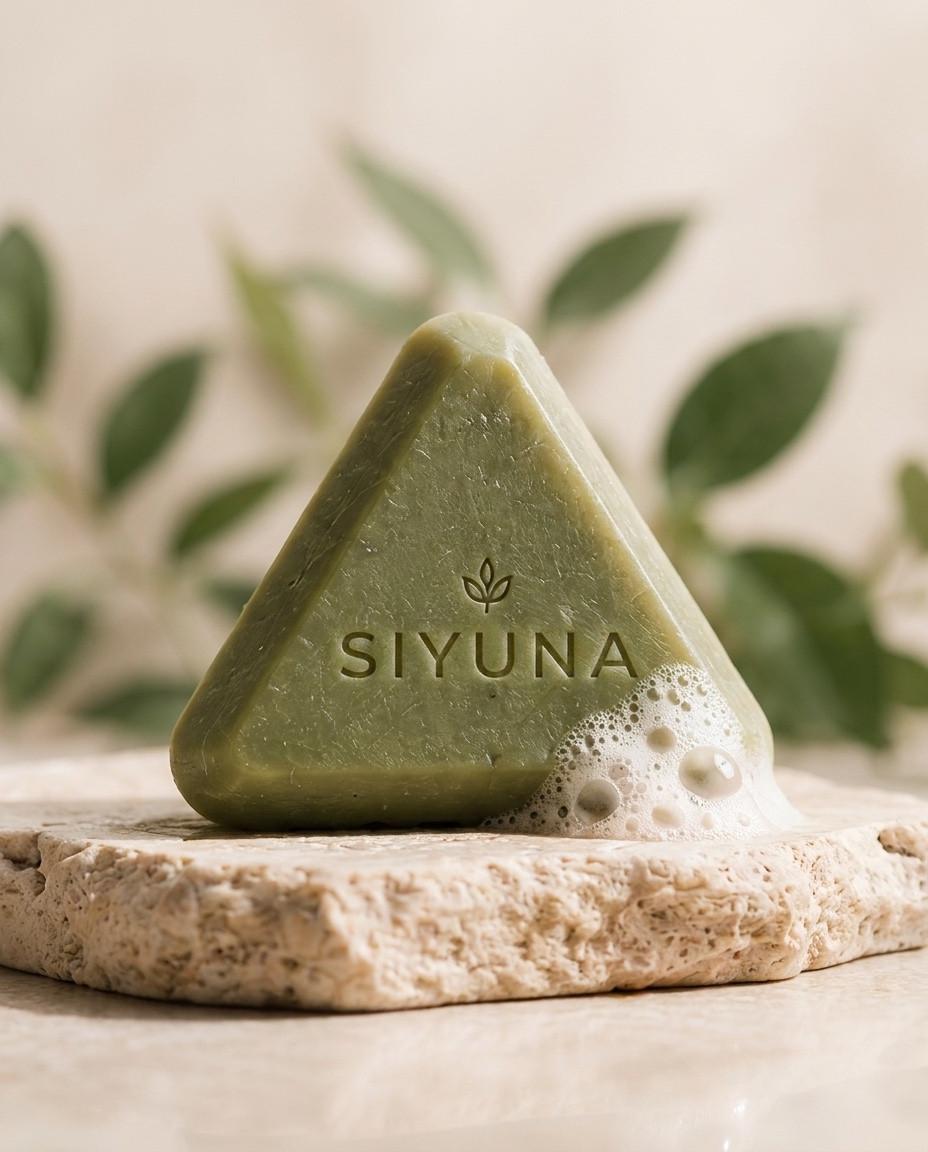
Korean Scalp Care Routine for an Oily Scalp: The Steps That Matter
Treat the roots like facial skin: cleanse in two short passes, massage, keep conditioner off the scalp. The method, minus the ten-step mythology.
Shampoo Bar Transition Period: How Long It Lasts and How to Shorten It
One to four weeks of waxy, heavy hair is normal after switching to a bar. Here is what causes it, and the three fixes that shorten it.
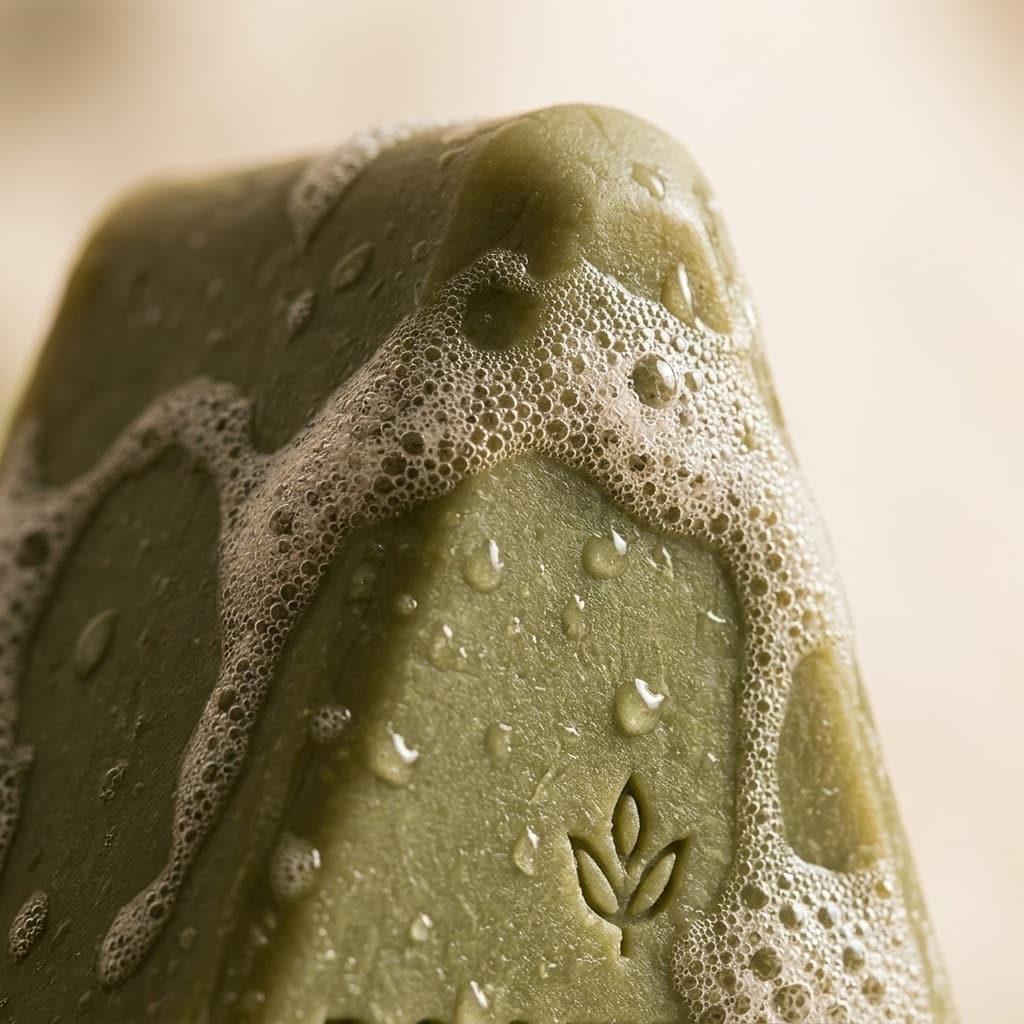
Scalp Buildup vs Dandruff: How to Tell Which One You Have
Waxy yellow flakes near the hairline and small white flakes across the crown are two different problems. Here is the at-home test that separates them.